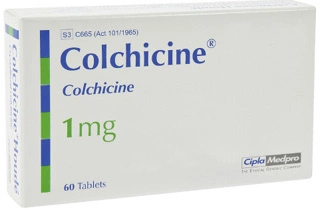
Colchicine is prescribed for:
- Treatment and prevention of gout-related joint pain
- Other conditions as determined by your physician
Administration
- Take orally with or without food
- Avoid grapefruit products during treatment
- Follow your doctor's specific dosing instructions
Pharmacological Class
Anti-gout medication that reduces inflammation
Missed Dose Protocol
- Take as soon as remembered if regular dosing
- Skip if near next scheduled dose
- Never double doses
Storage Requirements
- Ideal storage: 25°C (77°F)
- Permissible range: 15-30°C (59-86°F)
- Protect from moisture and light
- Keep secured away from children and pets
Important Precautions
Absolute Contraindications:
- Hypersensitivity to colchicine
- Concomitant use with strong CYP3A4/P-glycoprotein inhibitors in renal/hepatic impairment
Special Warnings:
- May cause false-positive urine hemoglobin tests
- Discontinue if gastrointestinal symptoms (nausea, vomiting, diarrhea) occur during acute gout treatment
- Requires monitoring of blood counts and renal function
- Potential teratogenic effects - contraindicated in pregnancy
- Excreted in breast milk - consult physician before breastfeeding
Drug Interactions
- Avoid alcohol and CNS depressants
- Grapefruit products increase toxicity risk
- Numerous potential interactions with other medications
Adverse Effects
Common:
- Gastrointestinal disturbances (diarrhea, nausea, abdominal pain)
Serious (require immediate attention):
- Hematological toxicity
- Neuromuscular toxicity
- Severe allergic reactions
- Unusual bleeding/bruising
Patient Responsibilities
- Strict adherence to prescribed regimen
- No medication sharing
- Prompt reporting of adverse effects
- Regular medical monitoring
Note: This medication requires careful medical supervision due to narrow therapeutic index. Dosage adjustments may be necessary based on individual response and laboratory parameters.