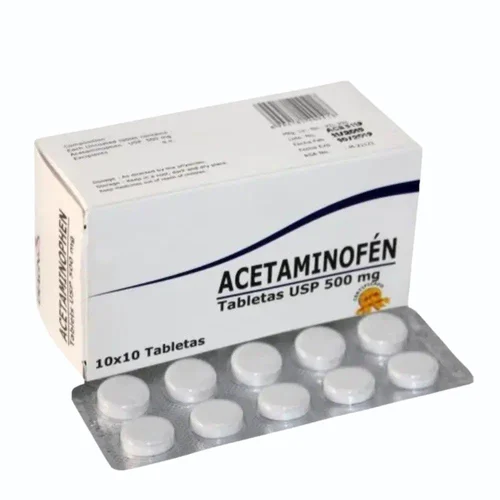
Acetaminophen (also known as paracetamol) is a widely used analgesic (pain reliever) and antipyretic (fever reducer) medication. It is considered one of the most common over-the-counter drugs globally and is included on the World Health Organization's List of Essential Medicines.
Therapeutic Uses
- Primary indications:
- Management of mild to moderate pain from various conditions:
- Headaches (including tension headaches and migraines)
- Musculoskeletal pain (back pain, arthritis, sprains)
- Dental pain (toothaches, post-dental procedure pain)
- Dysmenorrhea (menstrual cramps)
- Postoperative pain
- Reduction of fever in febrile conditions:
- Viral infections (colds, influenza)
- Bacterial infections
- Post-immunization fever
- Combination therapies:
- Frequently combined with other active ingredients in:
- Cold and flu preparations (with decongestants, antihistamines)
- Sleep aids (with diphenhydramine)
- Prescription pain medications (with opioids like codeine or hydrocodone)
Pharmacology
Mechanism of action:
- Exact mechanism not fully understood
- Believed to work primarily in the central nervous system by:
- Inhibiting cyclooxygenase (COX) enzymes, particularly COX-2
- Modulating the endocannabinoid system
- Affecting serotonin pathways
- Minimal peripheral anti-inflammatory effects (unlike NSAIDs)
Available Formulations
- Oral forms:
- Immediate-release tablets (325 mg, 500 mg)
- Extended-release tablets (650 mg)
- Chewable tablets (80 mg, 160 mg)
- Oral suspension (160 mg/5 mL)
- Oral solution (500 mg/15 mL)
- Effervescent powders
- Oral disintegrating tablets
- Other administration routes:
- Rectal suppositories (80 mg, 120 mg, 325 mg, 650 mg)
- Intravenous solution (for hospital use)
Dosage Guidelines
Standard dosing recommendations:
Adults and adolescents (≥12 years and ≥50 kg):
- Regular strength: 325-650 mg every 4-6 hours as needed
- Maximum daily dose: 4000 mg (lower for certain populations)
Pediatric dosing:
- Based on weight (10-15 mg/kg per dose)
- Maximum:
- 75 mg/kg/day (without medical supervision)
- 90 mg/kg/day (under medical supervision)
Special populations:
- Hepatic impairment: Reduced dosing required
- Elderly: May need dose adjustments
- Chronic alcohol users: Should not exceed 2000 mg/day
Safety Considerations
- Hepatotoxicity:
- Primary safety concern
- Risk factors include:
- Excessive dosing
- Chronic alcohol use
- Fasting state
- Concurrent use of other hepatotoxic drugs
- Pre-existing liver disease
- Other precautions:
- Skin reactions (rare but potentially serious)
- Drug interactions (see below)
- False laboratory results (glucose, uric acid tests)
Drug Interactions
Significant interactions include:
- Enzyme inducers:
- Carbamazepine
- Phenobarbital
- Phenytoin
- Rifampin
- St. John's Wort
- (May increase hepatotoxic metabolites)
- Other notable interactions:
- Warfarin (may enhance anticoagulant effect)
- Isoniazid (increased hepatotoxicity risk)
- Propranolol (may reduce metabolism)
- Cholestyramine (reduced absorption)
Overdose Management
Toxic dose threshold:
- Acute: >150 mg/kg or >7.5 g (whichever is less)
- Chronic: >4 g/day for several days
Clinical presentation:
Phase 1 (0.5-24 hours):
- Nausea, vomiting, malaise
- Phase 2 (24-72 hours):
- Right upper quadrant pain
- Elevated liver enzymes
- Phase 3 (72-96 hours):
- Hepatic failure
- Coagulopathy
- Encephalopathy
Treatment:
- N-acetylcysteine (NAC) protocol:
- Loading dose: 140 mg/kg
- Maintenance: 70 mg/kg every 4 hours (17 doses)
- Activated charcoal (if within 1-2 hours of ingestion)
- Liver transplant evaluation in severe cases
Special Populations
- Pregnancy:
- Category B (generally considered safe)
- Preferred analgesic during pregnancy
- Avoid excessive or prolonged use
- Breastfeeding:
- Considered compatible
- Minimal excretion in breast milk
- Standard doses unlikely to affect infant
- Pediatrics:
- First-line antipyretic in children
- Preferred over aspirin (Reye's syndrome risk)
- Careful dosing essential (use weight-based)
- Geriatrics:
- Increased sensitivity to effects
- May require dose reduction
- Higher risk of unintentional overdose
Clinical Monitoring
Recommended monitoring:
- Therapeutic use:
- Periodic liver function tests (chronic users)
- Pain/fever response assessment
- Adherence evaluation
- High-risk situations:
- More frequent LFTs (alcoholics, malnourished)
- INR monitoring (warfarin users)
- Renal function tests (elderly)
Patient Counseling Points
Key education points:
- Proper use:
- Read all labels carefully (OTC combinations)
- Use measuring device provided (liquid forms)
- Don't crush/extended-release tablets
- Safety:
- Never exceed recommended dose
- Avoid concurrent alcohol use
- Be aware of hidden sources (combination products)
- Warning signs:
- Seek help for:
- Persistent pain/fever
- Signs of liver problems
- Allergic reactions
- Unusual bruising/bleeding
Regulatory Status
- OTC in most countries
- Prescription-only in some formulations (e.g., higher strengths)
- Pack size restrictions in some regions
- Recent FDA actions:
- Lowered maximum daily dose recommendations
- Added boxed warnings
- Modified pediatric labeling
Future Developments
Emerging research areas:
- Novel formulations for faster onset
- Combination products with enhanced safety
- Potential new indications (neuroprotection, cancer)
- Genetic testing for metabolism variations
This comprehensive information should be used in conjunction with professional medical advice and current prescribing information. Always consult with a healthcare provider for personalized recommendations.