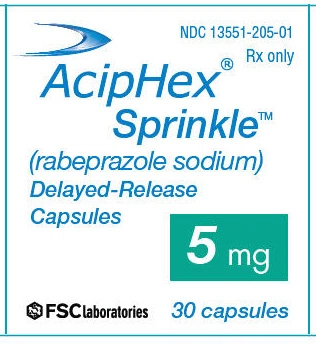
Aciphex belongs to the proton pump inhibitor (PPI) class of antiulcer agents. It exerts its therapeutic effect by:
- Specifically inhibiting the H+/K+-ATPase enzyme system (proton pump) in gastric parietal cells
- Blocking the final step of gastric acid production
- Demonstrating antisecretory effects within 1 hour post-dose
- Reaching peak acid suppression within 2-4 hours after administration
Therapeutic Indications
FDA-approved uses include:
- Treatment and maintenance of duodenal ulcers
- Management of gastroesophageal reflux disease (GERD)
- Eradication of Helicobacter pylori (as part of combination therapy)
- Treatment of pathological hypersecretory conditions (Zollinger-Ellison syndrome)
- Healing and maintenance of erosive or ulcerative GERD
Dosage & Administration
Standard dosing regimens:
- Active duodenal ulcer: 20 mg once daily for 4-8 weeks
- GERD: 20 mg once daily for 4-8 weeks (up to 16 weeks if needed)
- H. pylori eradication: 20 mg twice daily with antibiotics for 7-10 days
- Hypersecretory conditions: 60 mg once daily (adjust based on acid output)
Administration guidelines:
- Swallow tablets whole with water
- May be taken without regard to meals
- Morning dosing is generally recommended
- Do not crush, chew, or split tablets
Special Populations
- Hepatic impairment:
- Caution advised in severe liver disease
- Consider dose reduction
- Renal impairment:
- No dose adjustment typically needed
- Pediatric use:
- Safety and efficacy not established
- Geriatric use:
- No special dosing requirements
- Pregnancy:
- Category B (use only if clearly needed)
- Lactation:
- Unknown if excreted in breast milk
Contraindications
Absolute contraindications include:
- Hypersensitivity to rabeprazole
- Known allergy to substituted benzimidazoles
- Concomitant use with rilpivirine-containing products
Adverse Effects
Common side effects (≥1% incidence):
- Headache
- Abdominal pain
- Diarrhea
- Nausea
- Flatulence
- Constipation
- Dry mouth
- Dizziness
Serious adverse reactions:
- Clostridium difficile-associated diarrhea
- Acute interstitial nephritis
- Cutaneous lupus erythematosus
- Vitamin B12 deficiency (with long-term use)
- Hypomagnesemia (with prolonged therapy)
Drug Interactions
Clinically significant interactions:
- Drugs requiring gastric acid for absorption:
- Ketoconazole
- Itraconazole
- Iron salts
- Dasatinib
- Nilotinib
- (Reduced absorption and efficacy)
- Drugs affected by pH changes:
- Digoxin (increased absorption)
- Methotrexate (possibly increased toxicity)
- Other notable interactions:
- Warfarin (monitor INR)
- Tacrolimus (possible increased levels)
- Clopidogrel (possible reduced efficacy)
Clinical Pharmacology
Pharmacokinetic properties:
- Absorption: Rapid but incomplete (52%)
- Protein binding: 96.3%
- Metabolism: Hepatic (non-enzymatic)
- Half-life: 1-2 hours
- Excretion: Renal (90%)
Patient Counseling Points
Important instructions for patients:
- Complete full course of therapy
- Report persistent diarrhea or new joint pain
- Be aware of potential long-term risks
- Do not stop medication without consulting provider
- Recognize symptoms of low magnesium:
- Muscle spasms
- Irregular heartbeat
- Seizures
Overdose Management
While overdose experience is limited:
- No specific antidote exists
- Hemodialysis not effective
- Provide symptomatic and supportive care
- Contact Poison Control (1-800-222-1222)
Storage Requirements
Proper storage conditions:
- Maintain at 15-30°C (59-86°F)
- Protect from moisture and light
- Keep in original container
- Ensure secure storage away from children
Monitoring Parameters
Recommended clinical monitoring:
- Efficacy monitoring:
- Symptom improvement
- Endoscopic healing (when applicable)
- Safety monitoring:
- Magnesium levels (prolonged use)
- Vitamin B12 status (long-term therapy)
- Renal function (if interstitial nephritis suspected)
This professional summary contains essential information but does not replace individualized medical advice. Consult prescribing information and healthcare providers for specific recommendations.